News
Which Screen Is Actually the Second Screen?
Does a second screen disrupt from the core experience of watching live sports? Or is it a critical component?
I’m a true 90s kid (1999), so when my cousin's kid (he's 2) is asking about games on my phone during the Paw Patrol movie, I rightfully scowl (I'm sort of single handedly keeping film alive.). These youngins areare glued to their second screen! Yet here I am, against my better judgement, reaching for my phone to get on X or Reddit during the Hawks game to see what everyone’s takes are to the final minutes of Game 3 against the Knicks. I’m a hypocrite… but in all seriousness, I was exercising my right as a second-screener!
Second Screen: the term was invented for a world where fans had one screen for the game and picked up their phone to fire off a bad take in the group chat (not me though, my takes are legendary). But that world has become the norm, and it has for a growing share of fans as well. There is no “second” screen. There’s just the screen.
And it’s the one in their hand.
The Kids Are Alright
So…Does a second screen disrupt from the core experience of watching live sports? Or…is it now a core piece of watching live sports? And should rightsholders just lean in….
85% of fans engage with TikTok during a live sporting event, and only 31% of fans aged 18-24 are watching full live games at all. Not to mention, social media (53%) and streaming (38%) are now the top two ways Gen Z gets their sports content.
All this begs the question: should we make the pitch clock even shorter?
I don’t know… but the better question is probably:
Are Big Sports™ losing Gen Z?
No, they’re not (yet).
In fact, 62% of fans discovered a new team, player, or league through short-form video!
The interest is there and the fandom is real. It’s just organized differently now, and it isn't organized around a broadcast window. It’s organized around the FYP.
You see, back in my day (once again, I was born in 1999), the live game used to be the sun that everything else orbited around: SportsCenter Top 10 highlight reels, 90s Bulls merch, and local bars everyone in your hometown packed into to watch the Big Game™—all of it dependent on the live game being the center of gravity. While that model is not true today, younger fans aren’t drifting away from sports. The kids are all right! They’ve just reengineered the architecture as to how they engage, whether that’s through YouTube, TikTok, Discord, gaming, creators, or more.
So it’s not a marketing problem at all, it’s an infrastructure problem. The teams and leagues winning right now are building native hub and spoke extensions where a kid can be a kid!
The Leagues Are Leading The Way
Take the MLB. They saw firsthand the revitalization of America’s National Pastime in today’s youth, not through their feed, but through offshoot creators who were passionate about the game we all know and love. So what do they do? They broker a deal with JomBoy Media, a win-win that legitimizes JomBoy Media and its resources with an influx of investment, and creates a creative, league-sponsored wing for the MLB. Fast forward, and the investment is already paying off, with JomBoy Media generating 2 billion+ cross-platform views in the 2025 MLB postseason, and brokering a 24/7 channel on Fubo…
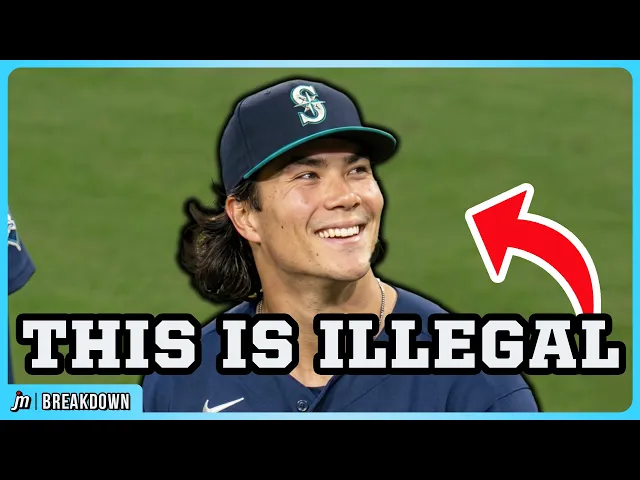
because baseball (or any sport) shouldn’t be just a two hour and thirty-eight minute broadcast, it needs to own every screen, at every hour, all hours of the day.
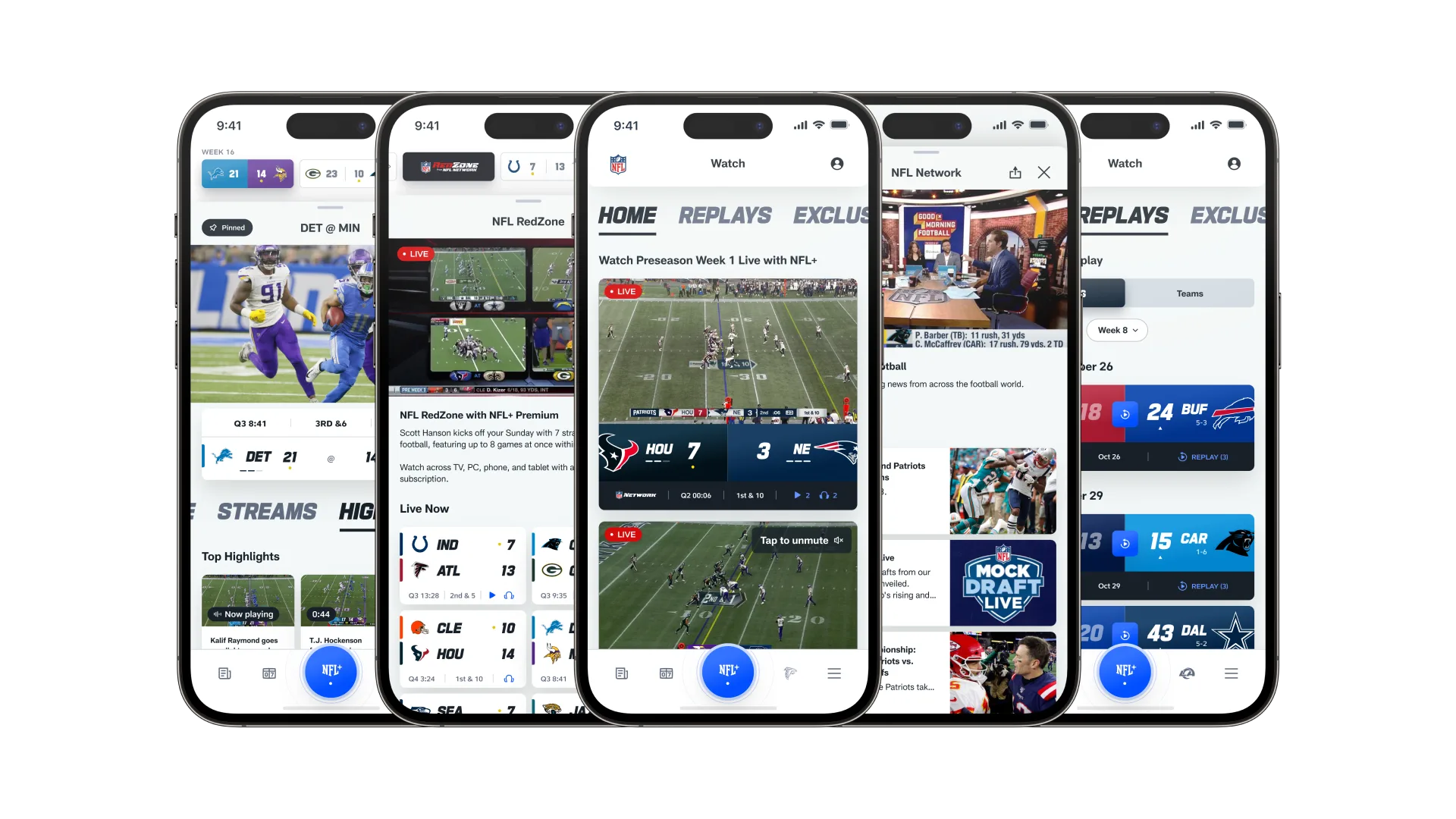
It’s not just baseball. Look at the NFL, who completely rebuilt their app from the ground up to be a single hub for streaming, fantasy stats, personalized feeds, and 32 team-specific experiences–translation: second screen sideline haven! Plus, they paired it with an Adobe partnership to power AI-driven personalization across every fan touchpoint.
The NBA has also dribbled in the same direction with their recent app overhaul that has four-game multiview on one screen and AI-powered Insights surfacing real-time narratives. Finally, there’s Formula 1, arguably the best in the biz for media savvy and second screen stewards, and not just because they got a Best Picture nomination for ~$300M Brad Pitt, star-studded Formula 1 trailer.
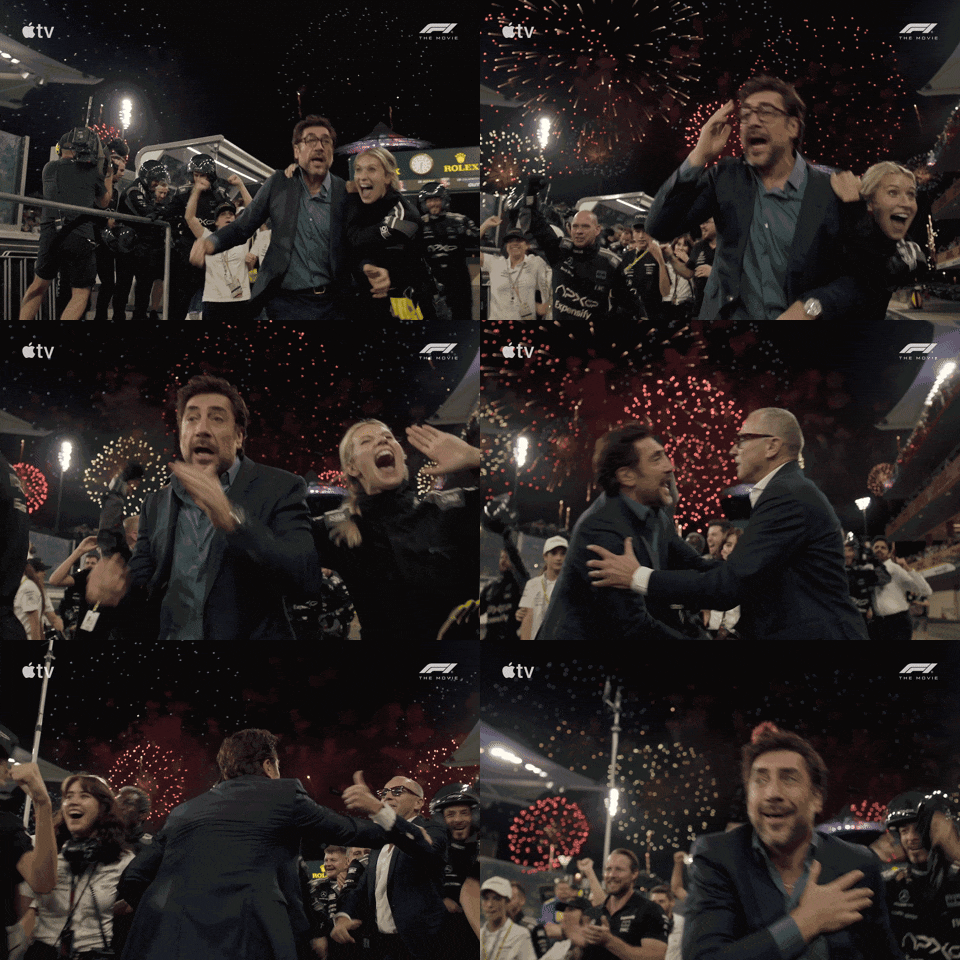
Drive to Survive opened the funnel to a younger generation of fans, but then the revamped F1 app launched was explicitly built to be the ultimate second screen with live telemetry, sector splits, and tire strategy data.
And the result of all this orbital architecture? F1 now has 827 million fans globally, up 63% since 2018, with 43% under 35.
But Teams Aren't Far Behind
It's not just leagues either. Teams are figuring this out at a more granular level. The Golden State Warriors built their team app to be one unified destination across the Warriors, Valkyries, and Chase Center, with vertical clip feeds, predictive games, trivia, and live polling all stitched together. Other teams like the Chicago Bulls and Manchester City have launched their own variations, but the playbook is the same: build something fans return to between games, not just during them.
If it still isn’t sticking with you, let me put it in a Friday Night Lights analogy for all my FNL heads out there: you’re Coach Eric Taylor and the alternative to building that hub and spoke playbook is letting Buddy Garrity (formerly of Buddy Garrity Automotive, currently of Buddy’s Bar) and the boosters run your team to the ground! Dillon is not showing up for Buddy and the boosters, they’re showing up for the Panthers team you built, which produced the star marketing arms of Smash, Riggins, and Saracen (And if this was East Dillon, we’d include Vince and Landry, too!)! CLEAR EYES, FULL HEARTS, CAN’T LOSE!
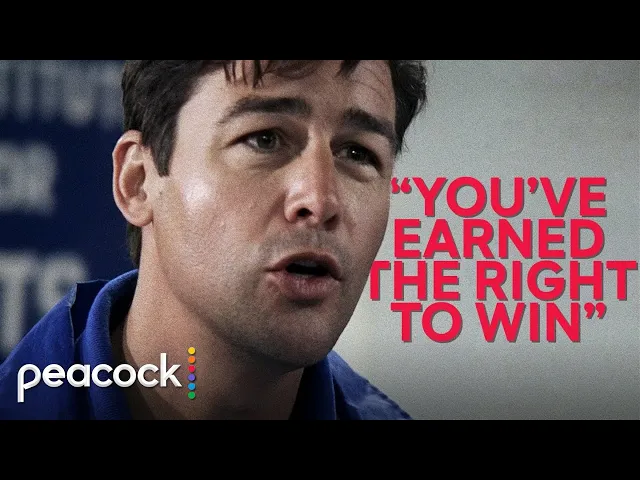
(I told you: my takes are legendary.)
So what do you do now?
In all seriousness, the alternative to building that hub and bespoke playbook is doing nothing at all. Your team floats in someone’s feed occasionally with hopes they click and land where you are. You have no owned home(s), no habitual return, and most importantly, no direct relationship with any of your fans.
I realize that I am in fact one of those younger fans, and the “second screen” was never really a second screen: it was always a mirror into what us younger fans were telling you we wanted! Not something to distract us from our favorite team losing Game 4 to the Knicks, but something to connect us with each other and the teams we love.
Our belief at Rival: a "second screen strategy" isn't a nice to have, it's essential for engaging Gen Z. Building out your strategy across how they actually spend time on that second screen—highlights, games, predictions, polls, chat—is critical.
Stay tuned for our Second Screen Tools Report dropping in the coming months, and sign up here for updates.
It’s time we start watching.