Productivity
"Offseason" Is a Word From a World That Doesn't Exist Anymore
Engaging fans 365 days a year
On December 13, 2025, John Cena wrestled in his final last match. In a blip: twenty-six years flashed, his home crowd gasped, and it was the end of an era (I mean, the era lowkey ended when he was the leading man in 2018’s seminal Bumblebee, but all good!). But the match was almost beside the point. The real story was the retirement tour that got him there: 36 dates stretched across the globe over an entire year. "John Cena's last time in St. Louis." "John Cena's last time in Paris." "John Cena's last time in Perth."
Pictured below: Cena in the arena alone after the event.
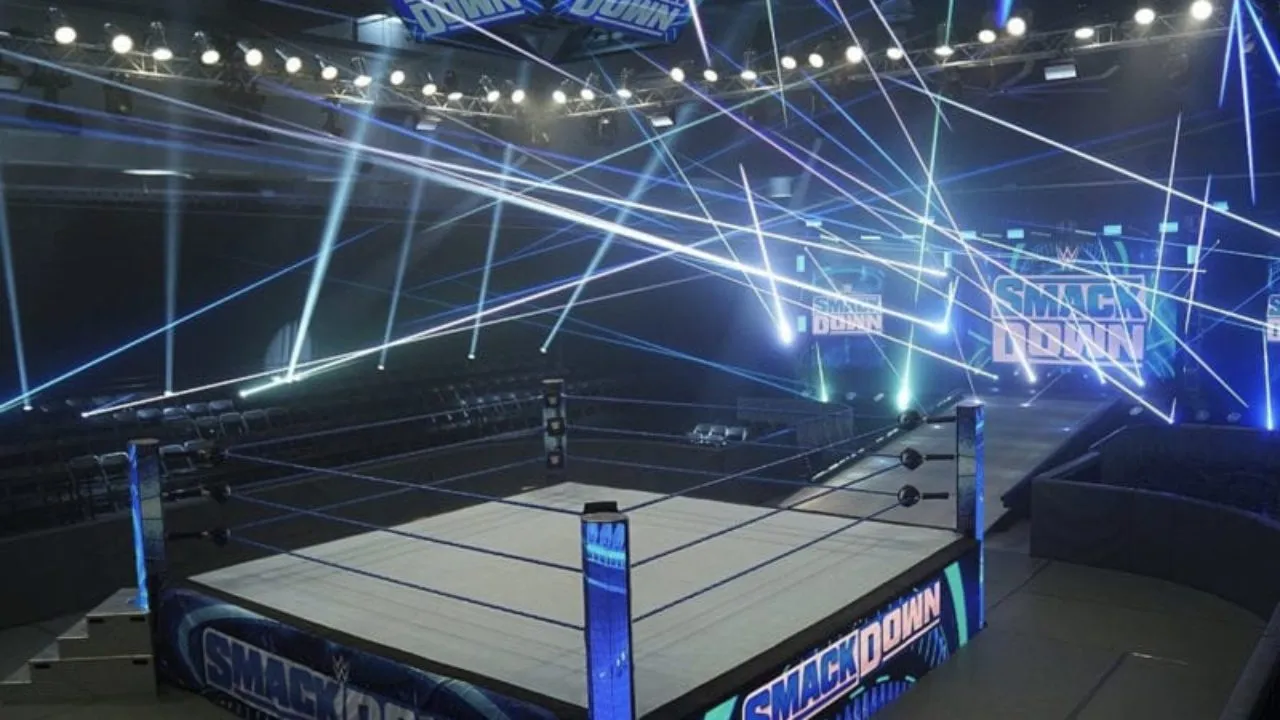
And here's the part worth sitting with: WWE pulled that off during their offseason… except they don't have one?
Okay, so there is Raw on Mondays, NXT on Tuesdays, Evolve on Wednesdays (On Tubi, which is sick for all seven of us TubiHeads out there!) SmackDown on Fridays, and premium, featured fights basically every month! Not to mention the road to WrestleMania running January through April like clockwork, every single year. WWE programs 365 days a year and never goes dark.
The most durable sports entertainment product on the planet figured out something most sports still hasn't: there is no offseason. There's just the part of the year you can choose to stop showing up.
"Offseason" Is a Word From a World That Doesn't Exist Anymore
The term was coined back when the broadcast was the product. (Next you’re going to tell me streaming is the future.)
The games aired, the season ended, and a gap on the calendar meant a real gap, because there was no other way for a fan to engage. I’m sorry to the few of you who still have your stock in DISH Network–or, sorry, I should say EchoStar Corporation, now–but that world is gone.
Fans don't take an offseason from being fans. A Knicks fan doesn't stop being a Knicks fan in August (KNICKS IN *FIVE, BABY!).
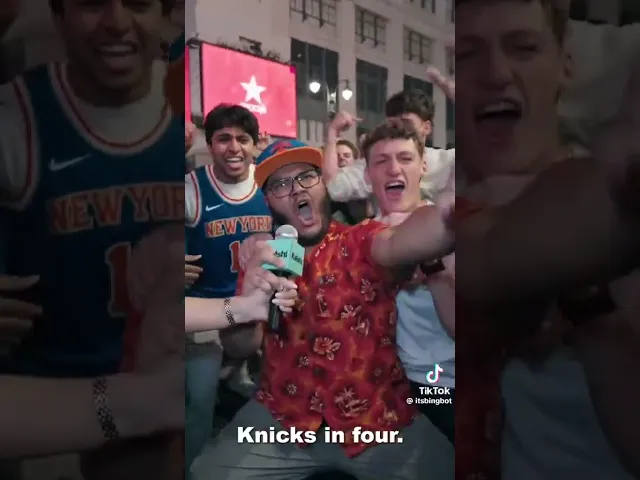
A Mets fan doesn't fold their fandom up and put it in a drawer in December (though they should at the rate of this season). They're still in the Reddit threads, still arguing about the roster on X, and still doomscrolling trade rumors at 1am from Shams or Passan.
The Most Undervalued Real Estate in Sports
So let's call a spade a spade. The offseason is the most undervalued real estate in sports.
Think about what the offseason actually is. It's the stretch of the year with the least competition for your fan's attention, the most appetite for storylines and speculation, and, per the data, the strongest tie to whether they buy a ticket next season at all.
Deloitte found that 95% of fans interact with their favorite team during the offseason in some form, that more than 60% say a great year-round experience makes them more likely to engage the following season, and that in-depth offseason content is tied to 20% higher spend.
The only question is whether they're showing up to something you built, or to a void that someone else is happy to fill.
The teams and leagues winning right now treat the quiet months like prime real estate everyone else has mispriced.
The NFL is the loudest example. They turned the schedule release, which is a literal list of dates for games everyone already knew were happening, into appointment programming.
The Rams said schedule release day generates more single-game ticket sales in 24 hours than the next three months combined.
All 32 teams now drop social-native videos within hours of each other, and the league teases, leaks, and staggers reveals across days like a YouTuber dropping uploads. Then there's the stints of shows to fill the gap from Hard Knocks to Hard Knocks: Offseason, plus Quarterback and Receiver on Netflix, all built between the Super Bowl and training camp. Not to mention every tool they wield between Draft Day discussions to sanctioned Fantasy Football speculation. In other words, the NFL has a content calendar that just happens to skip the games for a few months.
Unrivaled might be the boldest offseason play in sports history. Instead of letting the WNBA's best players scatter overseas every winter, Napheesa Collier and Breanna Stewart built an entire new league to live inside the gap.
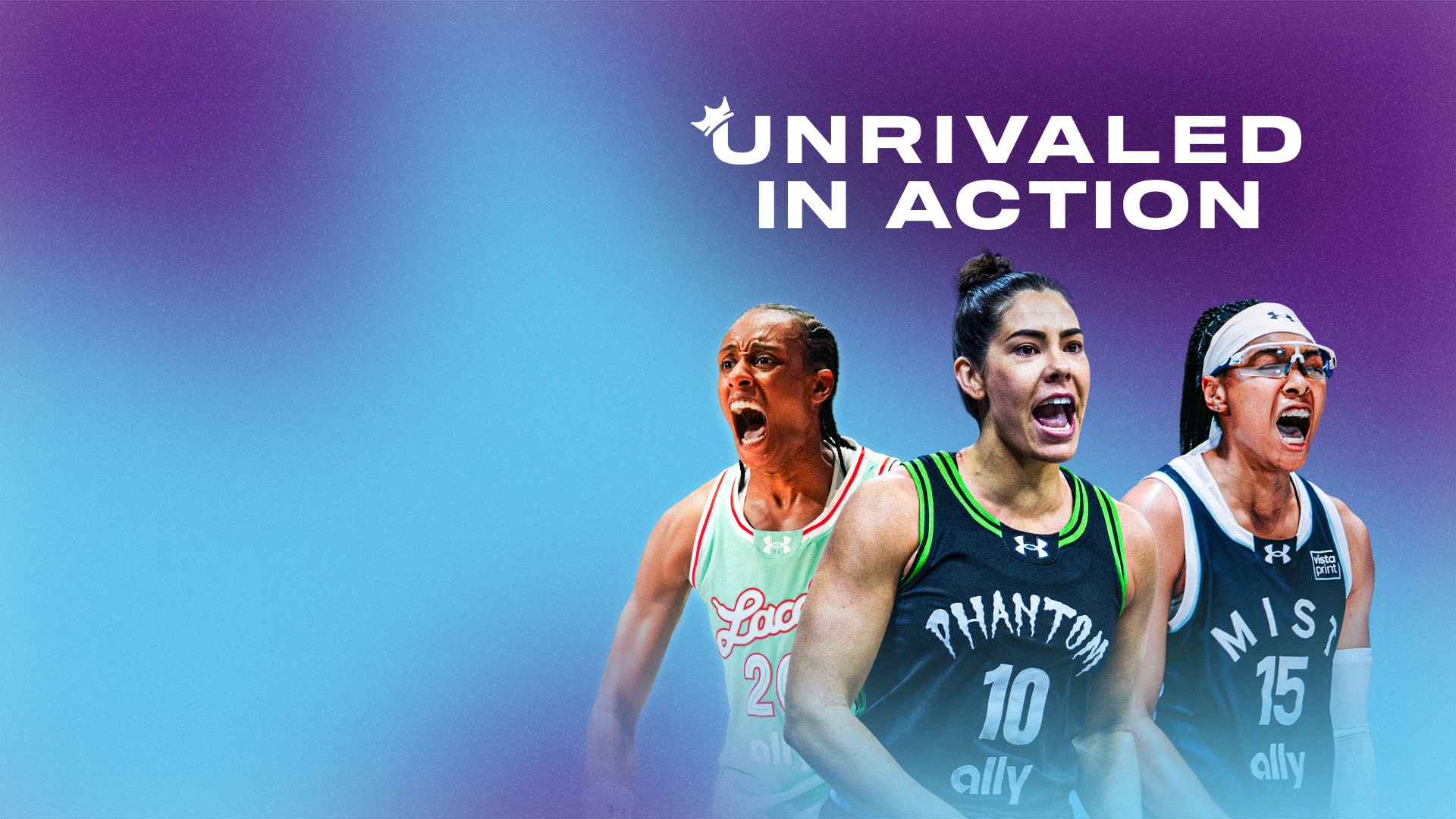
Two seasons complete, it's valued at $340 million, averaged 200,000+ viewers a broadcast, and in January 2026 set the all-time attendance record for a professional women's regular season basketball game.
They didn't fill the offseason with content. They filled it with a second sport. It goes on. F1 turned its winter break into a full content season: F1 TV archives, karting facilities, and Drive to Survive dropping between campaigns to recap the drama you already watched. MLB has run Hot Stove coverage for over a century, turning free agency paperwork into daily theater. The Premier League made Transfer Deadline Day an all-day live broadcast over what is functionally a pile of contracts and fax machines. Even the smaller players get it: The Basketball Tournament is a $1 million summer bracket that's paid out over $17 million since 2014 on the simple bet that fans want hoops in July.
NBA Summer League viewership was up 27% last year, and the league sold the naming rights to a video game!
Habit Is Built in the Gap, Not the Game
The live game is the loud part of fandom. But the habit, the thing that makes a fan show up automatically without being asked, gets built in the quiet.
Habits run on reps, not bursts. The fan who checks your app every morning in July, who's in the community debating the draft, who knows the rookies before they ever take the floor, that fan isn't made during the season. They're made in the offseason, in the small daily touchpoints that compound into identity.
The WNBA is the cleanest proof: sustained, year-round, athlete-driven storytelling drove app monthly active users up 613%, merch up 236%, and attendance up 48%.
Visibility builds habit, habit builds spend, spend funds more visibility.
A four-month silence is the single longest stretch any team voluntarily gives its fans to forget about them. It's the longest runway you'll ever hand a competitor (another team, another sport, a creator, a video game) to move into the mental real estate you spent all season building.
The part of the blog where I admit I watch Bravo (sometimes).
Where my Swifties at? Y’all did something every marketer has been yearning to replicate.
Taylor Swift manufactured a multi-year cultural event out of music she had already released. The Taylor's Version re-recordings turned a back catalog into four number one albums between 2021 and 2023, with 1989 (Taylor's Version) pulling 8.2 billion streams against the original's 3 billion, all while the Eras Tour ran in parallel… not to mention a few original records, a concert film, brand deals, and more. She didn't wait for new material to stay relevant. She treated the gap as the opportunity, and it worked so well that record labels rewrote their contracts to stop the next artist from pulling it off. (So… thanks for that, I guess?)
Streaming clocked it too. The whole industry has quietly drifted away from binge-and-vanish toward weekly drops, because weekly releases sustain engagement while binges deliver flash-in-the-pan viewership. Succession, The Traitors, The Mandalorian, and more all trended for months because each episode was its own event! Even Netflix, the company that invented the all-at-once dump, now splits some of its biggest shows into parts to stretch the conversation. Everyone in content has figured out that calendar gaps kill engagement… and I’m man enough to admit that no one does it better than reality TV… specifically Bravo.
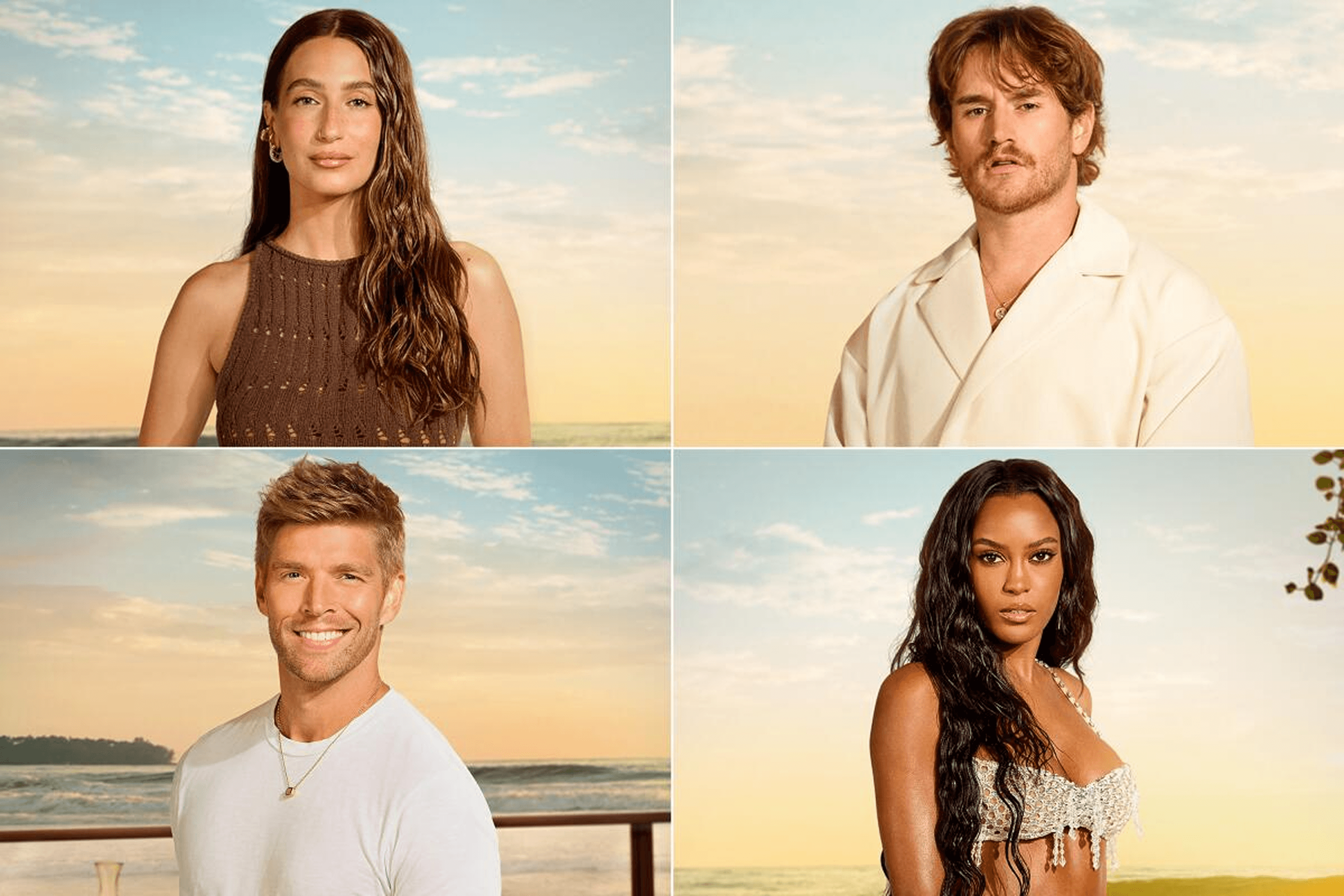
I mean, Summer House–we’ve all been keeping up, right? I’m so committed to the Amanda/Kyle/West/Ciara drama, I have had a weekly standing on my world calendar to engage with the show. (Thank you, Andy Cohen, for all you have done for me!)
Alright, back to the program–ming.
Doing Nothing Is Still a Choice
Look, I’ll admit that the beauty of most sports teams is that you are lucky to have a built-in fan base that many fans are born into, but the key word doing the heavy-lifting there is: lucky. Your fans don’t have to be there, and there are many “fans” who are only fans by name but do little-to-none to engage. The easy move is to chalk that up to their disinterest, but what if it’s because they never knew they had a reason to care? The offseason can change that.
The offseason isn't a problem to manage. It's the most valuable window you're not using. The teams that win the next decade won't be the ones with the best season. They'll be the ones who barely have an offseason at all, the ones who give a fan a reason to show up on a random Tuesday in July, every July.
Because the fans never took an offseason. It's about time the teams stopped taking one too.